
News
CBAMBOO Insights #19
25 Aug 2026
ETS reform proposal could extend the ramp to full CBAM costs
Brussels has proposed softening the EU carbon market trajectory, in plans that would extend the use of free allocation for CBAM sectors by a further four years.
Under current rules, free allocation is being steadily phased out over a nine-year period that will end in 2034 with zero free allocation and 100% CBAM costs. But under a new proposal from the European Commission, that timeline would be extended and the end of free allocation for CBAM sectors would be delayed to 2038. The Commission tabled the reform on 17 July, following months of industry lobbying to reduce carbon costs.
That said, the near-term impact would be close to zero. CBAM fees are adjusted to reflect the level of free allocation EU producers still receive, and a later phase-out date does mean there would be relatively lower liability for importers than previously anticipated. But the proposed new schedule only starts to look materially different from around 2031.
In the first years of CBAM implementation, costs remain largely unchanged — and they are high for most CBAM products.
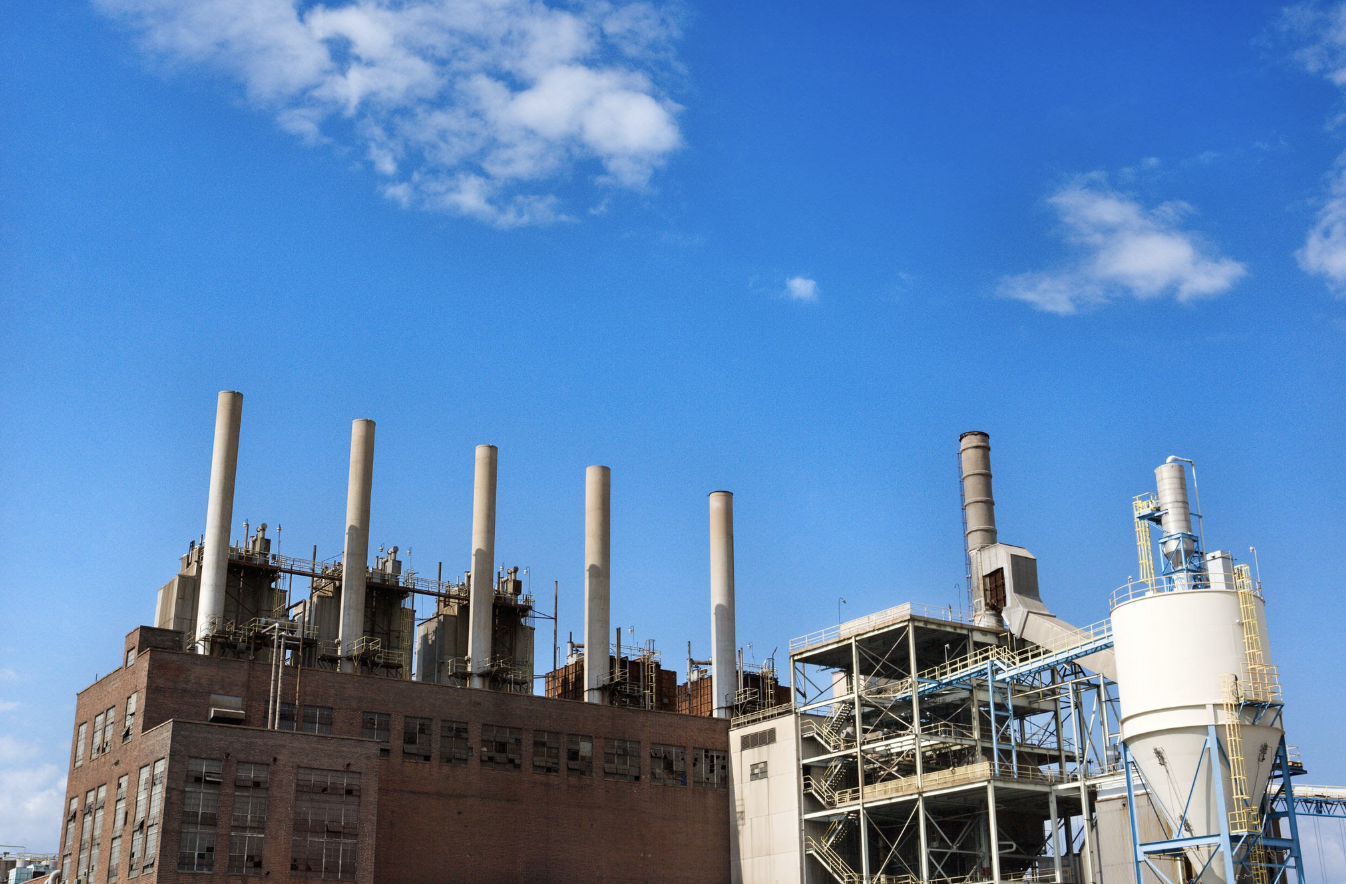
According to our in-house estimates, for a shipment of 60 tonnes of hot-rolled coil, the gap between pre- and post-revision costs would reach around €555 in 2031. In 2028, this difference is only €2.
The proposal has drawn sharp criticism from MEPs and NGOs who see it as watering down the EU's carbon pricing ambition. Lawmakers will scrutinise it closely before any agreement is reached, and it could take until mid-2027 before they strike a deal.
UK CBAM: HMRC publishes guidance — but costs remain unknown
The UK Government has published a raft of implementation guidance for UK CBAM, but the most business-critical figures are still missing.
Existing guidance and regulation covers the tax formula, emission monitoring methodology, system boundaries, carbon pricing deduction forms, and verification requirements. Most of the legal framework is now public, with some secondary legislation still in draft form before Parliament.
Critical elements continue to be unavailable. HMRC has not yet published default values, the fallback emission figures used when actual data is unavailable. The UK picked a simpler framework than the EU's for its first implementation year. There will only be one average value per sector, with no per-country or per-CN-code breakdown. That design may make defaults less punitive overall, but the regulation should in theory avoid their use being advantageous compared with actual values. Predicting them remains therefore highly uncertain.

Free allocation in the next UK ETS phase adds a second major unknown. CBAMBOO estimates that cost predictions for 2027 can swing by 40% depending on the level the government sets, making it impossible for importers to plan their sourcing schedule.
Further clarity on EU data recognition and the prospect of a mutual CBAM exemption through ETS linkage would also help importers with expectations around future market conditions.
Industry bodies including ALFED have formally called on the government to publish missing information without delay.
Parliament wants to force high-risk countries onto default emissions values
The EU Parliament's lead CBAM negotiator is pushing to flip the logic of the Commission's proposed CBAM extension, and make it harder for countries like China to game the system.
French Renew MEP Pascal Canfin wants to require companies in countries deemed "high risk" to prove the accuracy of their declared emissions. If they cannot, they would be forced to use punitive default values. Firms would also need to demonstrate they are not circumventing the mechanism.
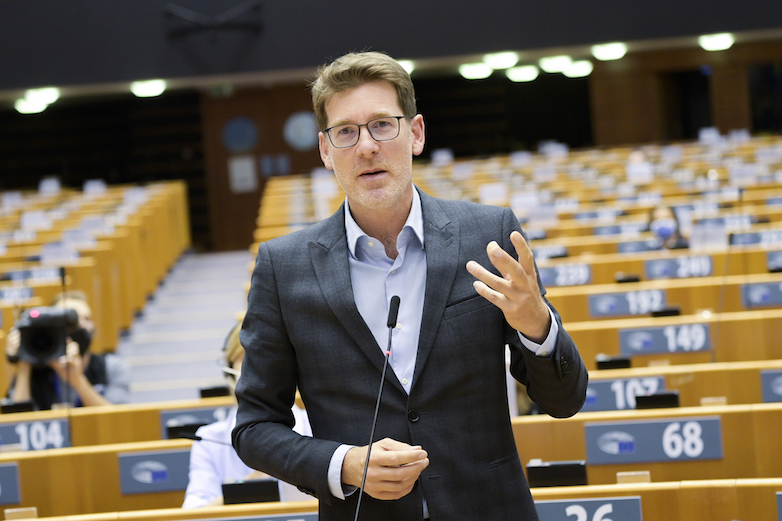
The Commission's original draft already included stricter conditions on the use of actual values for certain countries if a pattern of circumvention was observed. But Canfin argues that approach is too slow and too weak. He says any country "at risk" of systematically circumventing CBAM should face tougher rules.
The anti-circumvention rules would be baked directly into the legislation, not added later via a new implementing regulation, as originally proposed.
While no list of high-risk countries has been defined, Canfin personally referred to China as the main target of this proposal. The MEP also expects the proposals to win broad political support, given industry's calls for more protective measures against aggressive Chinese competition.
Guidance documents provide further clarity on implementation
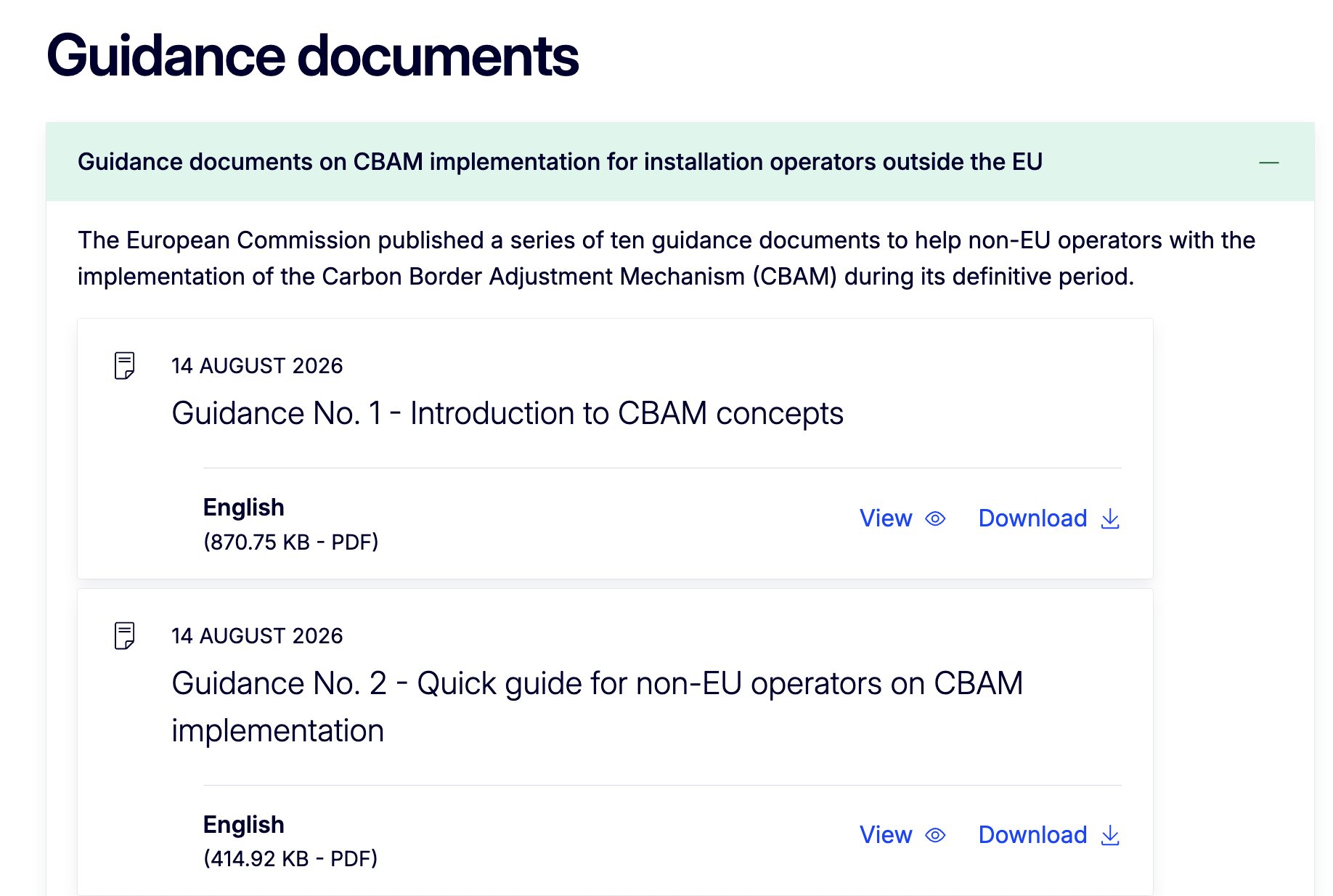
DG TAXUD, the European Commission's unit in charge of CBAM, has issued a set of informative guidance documents for all stakeholders. August has seen a long list of documents released to clarify aspects from emission monitoring requirements to how verifiers should assess Monitoring Plans.
All documents can be found on DG TAXUD's website and will be published in languages from major exporting countries in the coming weeks.
If you have questions about how to manage CBAM, book a meeting with us. We would be delighted to assist.