
News
CBAMBOO Insights #11
25 Nov 2025
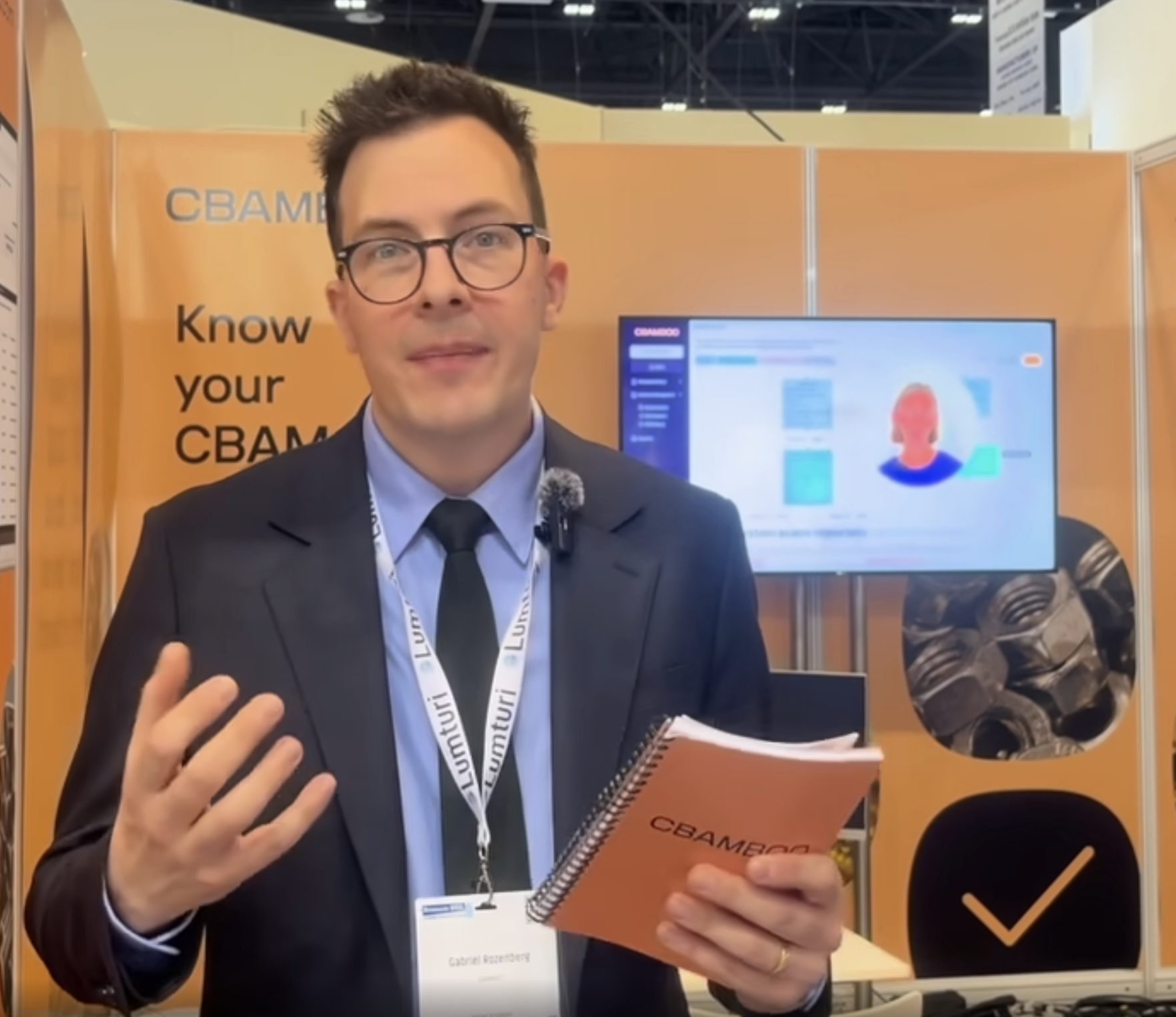
November was a whirlwind of activity for the CBAMBOO team. We landed in Maastricht at the Stainless Steel World Expo, the biennial highlight of the stainless calendar — a great chance to meet up with many of our customers, partners and future clients. Both at SSW, and at the Kallanish Steel Conference in Brussels, Gabriel had the privilege of joining a high-level panel discussion to discuss the latest legislative developments on CBAM.
And at last there are some real developments. Better late than never, the European Commission has fired up the printer and released, or leaked, the most critical pieces of the CBAM jigsaw puzzle. Read on for information on what the new benchmarks, default values and verification rules mean for your business.
We can now present a picture of exactly how much CBAM will cost for each importer. If you would like a personal consultation on how the new numbers will play out for you, just drop us a line. Our team are happy to chat and share what we know.
Leaked CBAM rules reveal a complex cost environment for importers in 2026
Crucial values that define CBAM costs finally emerged this month — and immediately created new challenges for importers.
CBAMBOO this month obtained a late-stage draft of the European Commission's Implementing Act covering benchmark values. Alongside that, we received a spreadsheet that apparently contains the set of default values for the Definitive Period. While not yet confirmed by the Commission, the documents have been widely shared.
Taken together, these documents allow us to calculate CBAM costs for a wide variety of situations.
Default values could be costly. Stainless steel coil from Indonesia could face €500 per tonne of CBAM costs, given that it carries a default value of 8 tCO₂/t. That is despite the fact that Tsingshan, the largest local producer, claims an emissions factor of only 3 tCO₂/t. On the other hand, some stainless steel tubes from China may enter CBAM-free.
Meanwhile, the system that the Commission has apparently designed for benchmarks is even more complicated than most observers were expecting.
The CBAM benchmark methodology defines best-in-class European emission performance at the product level, including precursors. Importers can subtract this benchmark quantity from the emissions in their own products — mirroring the process of "free allocation".
What the Implementing Act shows is that three different types of benchmark values will be used:
- Benchmarks for goods imported using default values rather than actual supplier data
- Benchmarks for simple goods such as ferronickel or ferrochrome
- Benchmarks for complex goods, such as steel products, which must have a corresponding benchmark for every production step, each one weighted by material share and verified by third-party auditors
The benchmark system for complex goods is new.
It means that importers will only determine the true cost of a specific supply source once audits are completed — audits that can only start in 2027.
Benchmarks and default values will also be reviewed in 2026, making procurement strategies and cost forecasting more volatile.
A separate document, expected to be released in the coming days, will set expected benchmark levels for key steel production processes, including BF, EAF and hybrid DRI-BF/EAF, and will assign a default benchmark per country of origin.
The final rules for the Definitive Period starting 1 January 2026 are expected to be voted on 26 November and formally adopted in early December.
COP30: EU resists China-led pushback on CBAM
The EU successfully resisted pressure on CBAM at COP30 in Brazil this month, even as developing nations lined up to berate the system as a barrier to trade.
Trade-based climate measures such as CBAM were a central theme of the COP30 negotiations in Belém, Brazil. A coalition of developing countries, led by China and India, accused the EU CBAM of acting as a punitive trade barrier that could derail a just net zero transition.
China's climate envoy reiterated the country's long-standing opposition and even attempted a last-minute, unplanned offensive by threatening that it would only back stronger climate ambition if the EU withdrew CBAM.
Wopke Hoekstra, EU climate commissioner, rejected the pressure. He said that CBAM was a climate tool, not a trade weapon, and insisted that any trade concerns should be dealt with at the WTO.
Hoekstra confirmed the EU remains committed to launching CBAM on 1 January 2026 and he invited other countries to explore carbon pricing and technical cooperation instead.
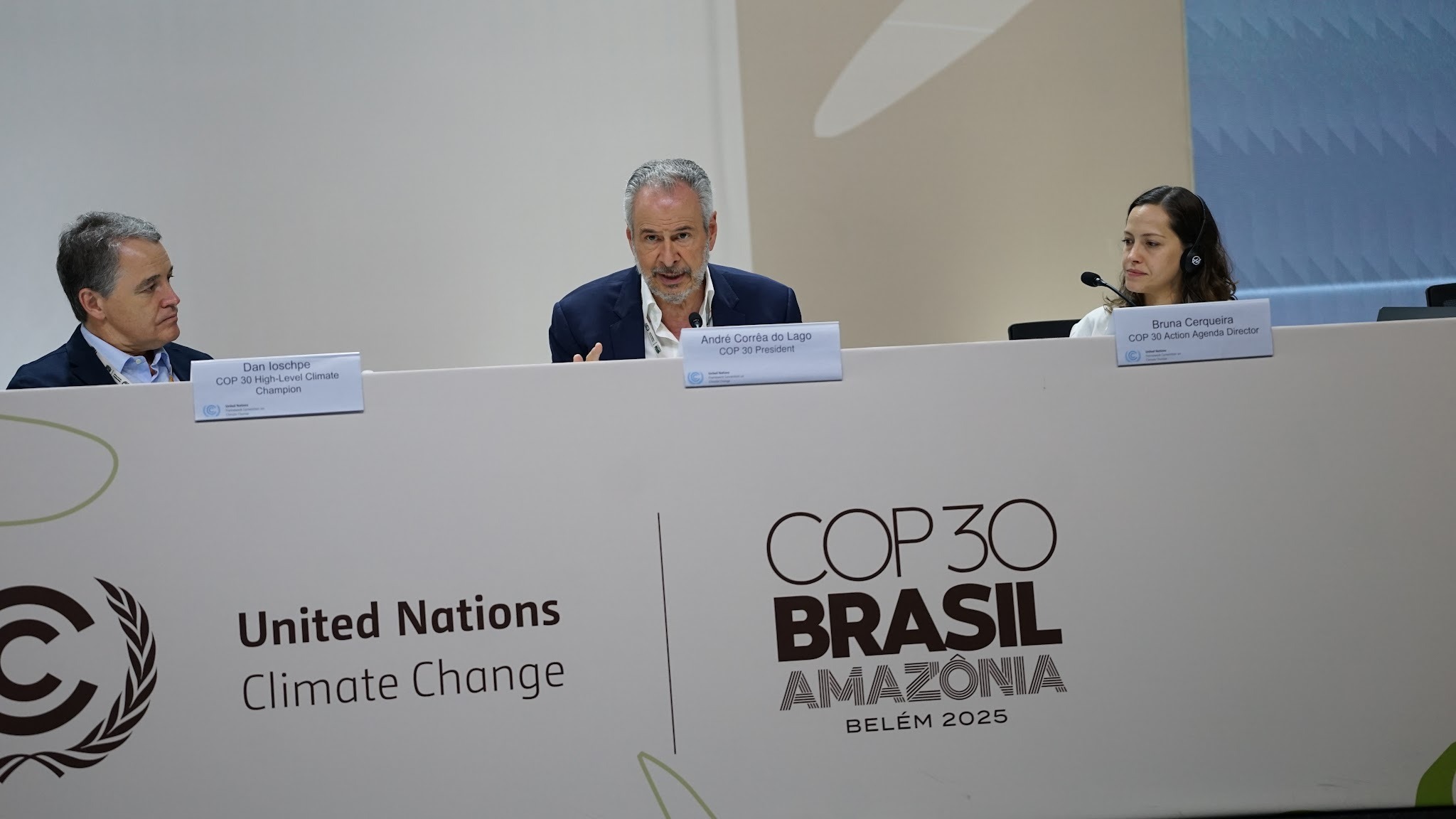
To address the growing disconnect between climate and trade diplomacy, the Brazilian Presidency launched a new platform — the Integrated Forum on Climate Change and Trade (IFCCT) — which will begin in January 2026 and be open to all COP participants.
CBAMBOO's Pauline Miquel writes: China's stance is more subtle than it appears. While China has opposed CBAM on the COP stage since its inception, it has also been quietly engaging with the European Commission on CBAM.
EU sources tell me that Chinese officials have privately sought advice on designing their domestic emissions trading system to qualify for carbon price deductions and maintain access to the EU market.
Verification rules are tough, but can lead to big savings for prepared importers
Verification rules are among the latest updates from the European Commission, and they offer both pain and promise for importers and their supply chains.
CBAMBOO analysis demonstrates that the savings from using verified data in CBAM can be substantial. For example, when importing screws from China, gathering verified data across all manufacturing stages would reduce costs by at least 50%, compared to relying on default values.
But the system is rigorous. For verification of 2026 data, in-person visits to installations where goods are manufactured will be mandatory, the new rules say.
Accreditation requirements for audit entities are also strict.
Existing national accreditation bodies will validate a company's competence and personnel before granting a licence, which will be valid for five years only. Accredited firms may undergo annual inspections, and their status can be revoked at any time for misconduct.
The first companies likely to receive accreditation are those already active in ETS emissions verification, as they can more easily expand their scope.
Verification introduces a significant layer of complexity to data collection, even though using actual supplier data can deliver substantial savings. The rules create a chain of dependencies between EU state bodies, private verification firms, and non-EU operators, whose willingness to share data with downstream customers varies.
This could leave importers exposed to unexpected CBAM costs in 2027, giving a competitive edge to companies able to secure verified data from cooperative and reliable suppliers — typically larger players.
The timeline is also challenging. Data collected in 2026 will only be verifiable in 2027, leaving limited time for auditors to obtain licences and verify all sites supplying the EU market. Data from 2025 cannot be used, as reporting must match the import year.
Nonetheless, collecting and pre-verifying data throughout 2026 can help importers avoid costly surprises when purchasing CBAM certificates in 2027.